← Retour aux ressources bourses
Cette page est actuellement disponible en anglais. La traduction française est en cours.
Top Scholarships in the USA for PhD Students in Physics
Publié 8 avr. 2026 · Mis à jour 23 avr. 2026
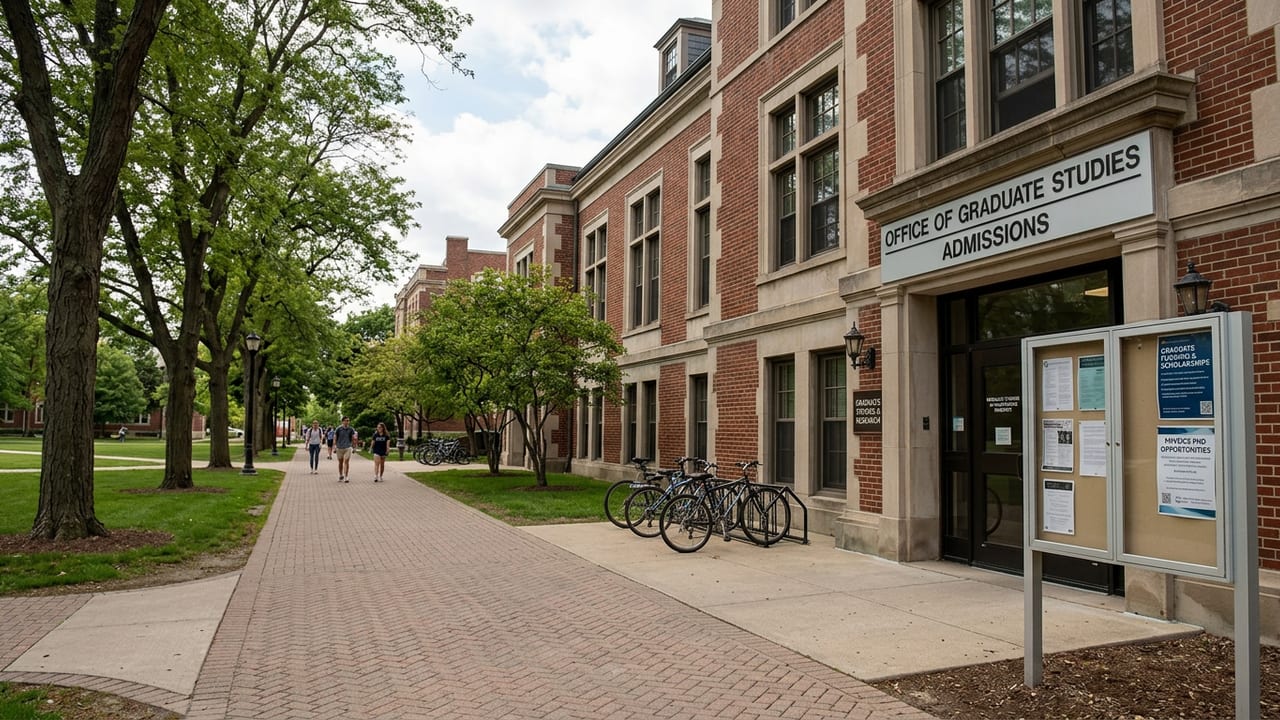
Embarking on a physics PhD journey in the USA is both intellectually thrilling and financially demanding. Imagine Clara, an aspiring physicist relocating from Brazil, meticulously compiling applications for fellowships to secure tuition and sustain her lab-intensive research. Like Clara, many face the challenge of navigating a maze of funding sources, each with unique criteria, deadlines, and benefits.
Understanding these options ensures smarter applications and a greater chance of receiving substantial financial aid that goes beyond tuition reimbursement.
Key Scholarship Categories for Physics Doctoral Students
PhD students in physics primarily find financial support through university fellowships, government grants, and private foundations. These options differ in eligibility, coverage, application complexity, and additional perks.
University Fellowships
These are often packaged with admission offers from top physics programs like MIT, Stanford, and UC Berkeley. Such fellowships usually cover:
- Full or partial tuition fees
- A living stipend via teaching or research assistantships
- Health benefits and campus resources access
Admission committees may require separate fellowship applications or automatically consider candidates. These fellowships also provide valuable mentorship and teaching experience.
Government Grants
Federal agencies such as the National Science Foundation (NSF) and Department of Energy (DOE) administer competitive grant programs. Examples include:
- NSF Graduate Research Fellowship Program (GRFP): Covers three years of stipend and tuition plus flexible funds for research and travel.
- DOE Office of Science Graduate Student Research (SCGSR): Provides supplemental funding for research at DOE labs, enhancing project impact.
Applicants must often be U.S. citizens or permanent residents and prepare detailed research proposals aligned with agency priorities.
Private Foundations
Specialized scholarships from organizations like the Hertz Foundation and American Physical Society recognize exceptional academic achievement and promise in physics:
- Hertz Foundation Graduate Fellowship: Full tuition support and a generous stipend focusing on scientific innovation.
- American Physical Society (APS) Scholarships: Offer variable, project-specific funding such as conference travel grants and minor research support.
Many foundations encourage international candidates or have fewer residency restrictions.
Comparing Top Funding Options: Coverage and Eligibility
| Funding Source | Coverage | Eligibility | Application Complexity | Typical Benefits |
|---|---|---|---|---|
| University Fellowship | Full tuition + stipend + health benefits | Open to admitted PhD students | Moderate; some require essays or interviews | Teaching/research experience, mentoring |
| NSF GRFP | 3 years stipend + tuition + research allowance | U.S. citizens & permanent residents | High; requires research proposal and references | Prestigious, flexible funds |
| DOE SCGSR Grants | Supplemental research funding | U.S. citizens & permanent residents | Moderate; linked to DOE lab projects | National lab collaboration |
| Hertz Foundation Fellowship | Full tuition + generous stipend | Mostly U.S. citizens | High; intensive research statement | High independence, prestige |
| APS Scholarships | Variable (travel, equipment) | Open internationally | Low to moderate; project-based | Supports ancillary research costs |
Prospective applicants should balance eligibility constraints, funding scope, and application effort when selecting scholarships to pursue.
Pros and Cons of Fully Funded PhD Programs in Physics in the USA
Advantages include:
- Reliable monthly stipends that cover basic living expenses.
- Waived tuition fees significantly reduce financial stress.
- Supplementary benefits such as health insurance and campus amenities.
- Enhanced CV from teaching and research assistantship experience.
Challenges may be:
- Frequent teaching duties that might limit time for research.
- Funding contingencies such as maintaining a minimum GPA or research progress.
- Variability: Some programs offer only partial funding, requiring additional scholarships or loans.
Evaluating these factors helps candidates choose programs aligned with their academic goals and personal circumstances.
How to Land the Right Scholarship: Step-by-Step Process
- Identify and Prioritize Programs: Focus on universities with strong physics faculties that guarantee funding or offer competitive fellowships. Prioritize those matching your research interests.
- Prepare Comprehensive Documents: Craft a compelling statement of purpose, a detailed research proposal aligning with scholarship priorities, and update your CV highlighting research and academic achievements.
- Seek External Scholarships: Complement university funding by applying to NSF GRFP, DOE grants, or private foundations. Familiarize yourself with specific criteria and deadlines.
- Secure Strong Recommendations: Request letters early from professors or research supervisors who can vouch for your abilities and potential.
- Submit Early and Follow Up: Early applications demonstrate commitment and allow time to resolve issues or provide additional materials.
- Engage with Scholarship Committees: Attend webinars or info sessions where possible to clarify doubts and leave a favorable impression.
- Consider Stacking Scholarships: If allowed, combine university fellowships with external scholarships to maximize support responsibly.
Checklist:
- Research programs’ funding policies
- Write targeted applications
- Obtain at least 3 recommendation letters
- Track all deadlines carefully
- Follow application instructions meticulously
Maximizing Success for International Physics PhD Applicants
Non-U.S. citizens encounter additional layers but still have solid avenues:
- Target Fully Funded Programs Open to All: Many top-tier schools fund international PhD students at the same level as domestic candidates.
- Apply to Internationally Accessible Private Scholarships: Some foundations and scientific organizations extend awards globally.
- Demonstrate Academic Excellence and English Proficiency: Strong GRE subject scores, publications, and TOEFL/IELTS results bolster applications.
- Network with Faculty: Contact potential advisors about funding availability and research fit before applying.
A strategic, research-oriented application with evidence of persistence will improve chances in this competitive pool.
Summary: Navigating the Complex Funding Landscape
Securing a scholarship for a physics PhD in the USA requires balancing ambition with practical steps. By understanding the differences among university fellowships, federal grants, and private awards, candidates can tailor efforts effectively. Fully funded programs remove financial obstacles and add professional experience, though applicants must weigh workload demands. Early preparation, clear research alignment, and attention to eligibility are indispensable. Through this careful approach, future physicists can focus on their groundbreaking research without financial distraction.
Frequently Asked Questions
What are the best scholarships for PhD physics students in the USA?
Among top choices are fellowships offered by premier universities such as MIT, Stanford, and UC Berkeley. National programs like the NSF Graduate Research Fellowship and DOE research grants hold high prestige. Foundations like the Hertz Foundation provide highly competitive, substantial awards focused on innovation in physics.
Are there fully funded PhD programs in physics in the USA?
Many leading U.S. universities guarantee full funding for PhD physics students, covering tuition and stipends, often through research or teaching assistantships. These programs also typically include health insurance and access to research facilities, allowing students to concentrate fully on their doctoral work.
How can international students get scholarships for physics PhD in the USA?
International applicants should seek institutions that fund all admitted PhD candidates regardless of citizenship. Applying to private scholarships open to international students and emphasizing strong academic and research records increases chances. Contacting prospective advisors to discuss funding availability is also beneficial.
What organizations provide funding for physics doctoral research?
Key funders include the National Science Foundation (NSF), Department of Energy (DOE), Hertz Foundation, and American Physical Society (APS). These entities offer diverse fellowships and grants focused on supporting student research, travel, and conference participation.
Do physics PhD scholarships cover living expenses?
Most fully funded scholarships provide stipends designed to cover living costs such as housing, food, and health insurance. This financial provision enables students to dedicate themselves to research without needing outside employment.
ScholarshipTop organise la recherche et la planification des candidatures avec signaux d eligibilite, dates, favoris, aide IA et voies de candidature fournisseur quand elles sont disponibles.
Next useful guide
À lire ensuite
- How to Apply for Scholarshipspractical steps to organize your application process and avoid rookie mistakes
- Scholarship Deadlines Explainedsimple ways to track deadlines and avoid missing key dates
- Can You Combine Multiple Scholarships?understand how stacking scholarships works and which rules to watch
- Medical Scholarships Guidepractical guidance for healthcare, nursing, pre-med, and public health scholarship searches
- Scholarships for International Studentseligibility and application guidance for international student scholarship searches
Bourses associées
Opportunités réelles de notre catalogue, en lien avec cet article.
Browse the full scholarship catalog — filter by deadline, category, and more.
- VerifiedNOUVEAU
Scholarships
Education students can compare this scholarship with a listed award of 600-1 200 TL and a March deadline while planning eligibility fit and required materials.
Meilleur pour : Education students600-1 200 TL
Montant de la bourse
Paid to school
March
March
600-1 200 TL
Montant de la bourse
Paid to school
- NOUVEAU
Frank Knox Fellowships at University
Education students can compare this scholarship with a listed award of Tuition & fees + stipend … and a Oct 21 deadline while planning eligibility fit and required materials.
Meilleur pour : Education studentsTuition & fees + stipend …
Montant de la bourse
Paid to school
Oct 21
Oct 21
Tuition & fees + stipend …
Montant de la bourse
Paid to school
- VerifiedNOUVEAU
Scholarships at Harvard and MIT
Graduate student can compare this scholarship with a listed award of Variable and a Oct 21 deadline while planning eligibility fit and required materials.
Meilleur pour : Graduate studentVariable
Montant de la bourse
Paid to school
Oct 21
Oct 21
Variable
Montant de la bourse
Paid to school
STIMCommunautéPeu d’exigencesPremier cycleÉtudes supérieuresDoctoratVérifiéeVersé à l’établissementMA