← Retour aux ressources bourses
Cette page est actuellement disponible en anglais. La traduction française est en cours.
Top Scholarships in the USA for Film Students: Financial Aid for Aspiring Filmmakers
Publié 8 avr. 2026 · Mis à jour 23 avr. 2026
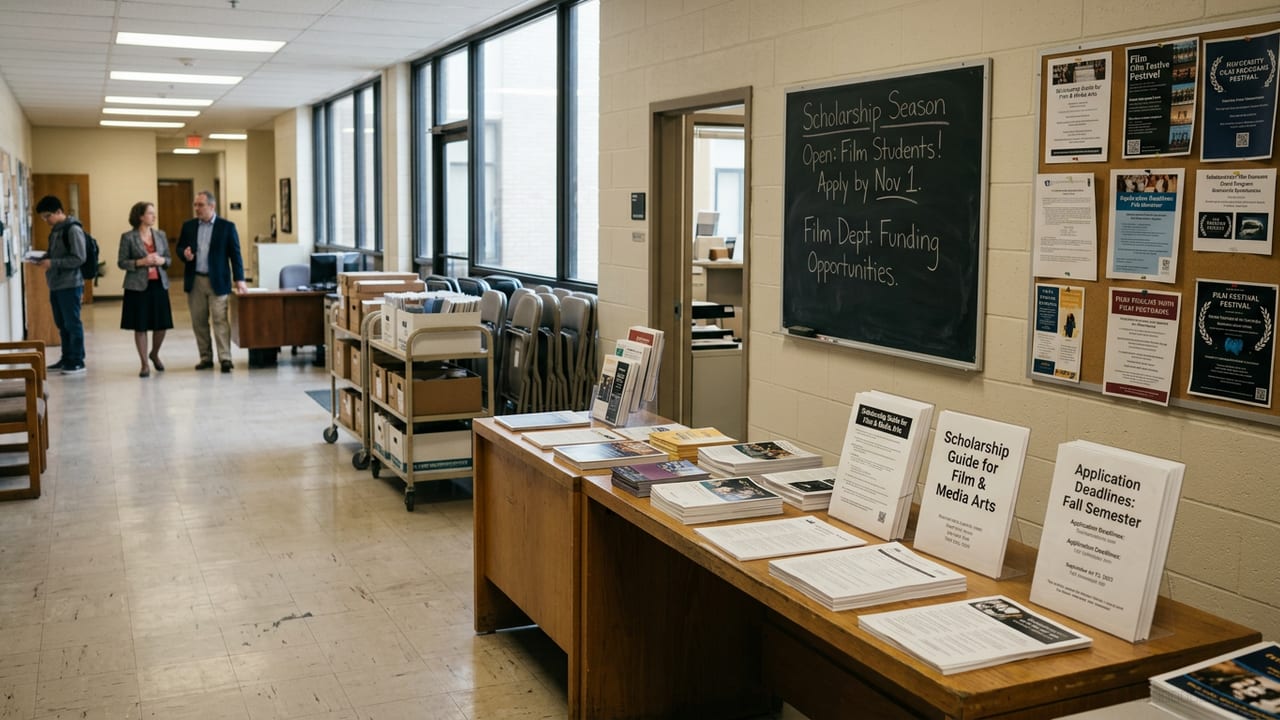
The high cost of film education in the USA can be a significant barrier. With tuition varying widely by school and program, aspiring filmmakers must explore all funding routes. Scholarships in the USA for film students represent critical resources that can reduce or eliminate tuition costs, allowing students to focus more on their creative and technical development.
Practical Tips to Improve Your Film Scholarship Applications
Success in securing scholarships requires more than just submitting an application; it demands precision, personalization, and preparation. Here are essential steps:
- Identify Your Specialty: Pinpoint your film niche whether it’s directing, editing, cinematography, or production design. This focus helps target scholarships tailored to your talents.
- Build a Compelling Portfolio: Include original short films, scripts, or production projects demonstrating your skills and creative voice. Use a mix of formats (video clips, PDFs, links) as required.
- Craft a Distinctive Personal Statement: Explain how film impacts your life, your career goals, and why financial aid will help achieve these objectives. Avoid clichés by sharing personal stories.
- Gather Strong Recommendations: Request letters from professors, mentors, or film professionals familiar with your dedication and abilities.
- Stay Organized: Maintain a spreadsheet of scholarships with deadlines, requirements, and status updates to avoid last-minute rushes.
- Apply Broadly: Do not limit applications to just one or two scholarships. Expanding your reach to US film student grants and movie production scholarships increases chances.
Common Mistakes That Jeopardize Film Scholarship Success
Even talented applicants can lose out by making avoidable errors:
- Ignoring Specific Eligibility: Applying to scholarships without confirming whether your program, citizenship, or experience is eligible can waste time.
- Submitting Generic Applications: Not tailoring essays or portfolios for each scholarship fails to connect with selectors and align with scholarship goals.
- Missing Submission Deadlines: Scholarship applications are strict about deadlines. Late entries are usually disqualified regardless of merit.
- Incomplete Documentation: Forgetting to include required materials such as transcripts, letters of recommendation, or proof of enrollment can cause rejection.
- Failing to Follow Instructions: Overlooking formatting rules or word counts demonstrates inattention to detail.
Step-by-Step Strategy to Secure Film School Financial Aid
A disciplined and informed approach enhances scholarship success odds. Follow these actionable steps:
Compile a Comprehensive Scholarship List: Use school financial aid offices, arts organizations, and trusted online portals to identify relevant scholarships. For example, check resources from the U.S. Department of Education for federal student aid information.
Review Requirements in Detail: Note eligibility like citizenship, academic standing, specialization, and whether scholarships favor undergraduate, graduate, or international students.
Prepare Application Components Early: Draft essays, assemble portfolios, and obtain recommendation letters well before deadlines. Early preparation allows time for revisions.
Customize Each Application: Tailor your submission for each scholarship by reflecting its mission and values in your personal statement and portfolio.
Submit Before Deadlines: Aim to submit applications at least a few days before the due date to avoid last-minute technical issues.
Track Your Applications: Use a centralized tracker to monitor status, follow up as needed, and prepare backup plans.
Noteworthy Scholarships and Grants for Film Students in the USA
While many institutions offer internal scholarships, external sources provide additional aid:
- National Film Scholarship Foundation: Supports emerging filmmakers with merit-based awards focusing on creativity and potential.
- Women in Film Scholarships: Dedicated to female students, supporting gender diversity in the industry.
- Minority Film Student Grants: Promote inclusion for students from underrepresented ethnic backgrounds.
- Industry Sponsored Movie Production Scholarships: Offered by media companies or professionals endorsing innovation and storytelling.
Certain scholarships explicitly welcome international students, often valuing cultural exchange and global perspectives. Additional guidance on scholarships for international students studying in the U.S. can be found at University of Chicago International Affairs Office.
How Eligibility Requirements Vary and What to Watch For
Eligibility criteria vary widely:
- Full-time Enrollment: Most scholarships require students to be enrolled full-time in an accredited U.S. program.
- Academic Level: Some scholarships target undergraduates, others graduate or certificate program students.
- Portfolio Submission: Many emphasize submission of creative work samples relevant to movie production or film studies.
- Demographic Focus: Some scholarships prioritize minorities, women, veterans, or economically disadvantaged applicants.
- Field Specificity: Awards may allow applications from allied fields such as media, communication, or digital arts, broadening eligibility.
How to Optimize Combining Multiple Funding Sources
Maximizing financial aid often means combining various scholarships and grants:
- Check Stacking Policies: Verify if scholarship sponsors allow their awards to be combined with others or with federal aid.
- Balance Need and Merit-Based Aid: Combining need-based financial aid with merit scholarships can cover tuition gaps more effectively.
- Coordinate with School Financial Aid: Inform your institution about external awards to align funding and avoid conflicts.
- Manage Award Acceptance Deadlines: Keep track of acceptance dates for multiple scholarships to avoid missing opportunities.
Frequently Asked Questions
What are some reputable scholarships available for film students in the USA?
Reputable scholarships include institutional awards from top-tier film schools such as USC or NYU, industry-affiliated grants from foundations supporting cinematic arts, and scholarships run by organizations dedicated to specific demographics like women in film. These awards often emphasize a strong portfolio and demonstrated commitment to filmmaking.
How can I apply for scholarships if I want to study film in the USA?
Begin by identifying scholarships through your prospective schools and national arts organizations. Prepare each application carefully, ensuring that your essays highlight your personal filmmaking journey and your portfolio reflects technical competence and creativity. Meeting deadlines and including all requested materials are critical to advancing your candidacy.
Are there scholarships specifically for international film students in the USA?
Yes, several scholarships specifically support international students pursuing film studies in the USA. These often underscore cultural diversity and foster global storytelling perspectives. Always confirm eligibility as many awards require proof of citizenship or permanent residency.
What criteria do film scholarships in the USA usually require?
Typical criteria include academic merit, artistic portfolio quality, involvement in filmmaking projects, and sometimes financial need. Certain scholarships also consider professional aspirations, leadership in film clubs or communities, and demographic factors aimed at promoting diversity.
Can film students apply for scholarships related to media and communication as well?
Absolutely. Many scholarships for media, communication, digital arts, or broadcasting students overlap with film studies because of shared skill sets and coursework. This allows film students to expand their funding options by applying to a broader spectrum of scholarships supporting creative media. For more information on related fields and scholarship options, consult resources like the National Science Foundation education funding portal.
ScholarshipTop organise la recherche et la planification des candidatures avec signaux d eligibilite, dates, favoris, aide IA et voies de candidature fournisseur quand elles sont disponibles.
Next useful guide
À lire ensuite
- How to Apply for Scholarshipspractical steps to organize your application process and avoid rookie mistakes
- Scholarship Deadlines Explainedsimple ways to track deadlines and avoid missing key dates
- Can You Combine Multiple Scholarships?understand how stacking scholarships works and which rules to watch
- Medical Scholarships Guidepractical guidance for healthcare, nursing, pre-med, and public health scholarship searches
- Scholarships for International Studentseligibility and application guidance for international student scholarship searches
Bourses associées
Opportunités réelles de notre catalogue, en lien avec cet article.
Browse the full scholarship catalog — filter by deadline, category, and more.
- NOUVEAU
Blue Scholarship USA 2026 Apply
Health Professions and Clinical Sciences students can compare this scholarship with a listed award of Amount Varies and a 09.07.26 deadline while planning eligibility fit and required materials.
Meilleur pour : Health Professions and Clinical Sciences studentsAmount Varies
Montant de la bourse
07.09.26
54 days left
07.09.26
54 days left
Amount Varies
Montant de la bourse
MédecinePeu d’exigencesPremière générationBesoin financierPremier cycleÉtudes supérieuresCollège communautaireFLFlorida